

Category: munnar

  • Munnar vs Ooty vs Coorg: Which Hill Station Offers the Best Travel Experience?

    Munnar vs Ooty vs Coorg: Which Hill Station Offers the Best Travel Experience?

    South India is home to several popular hill stations, each offering a unique blend of climate, scenery, and culture. Among them, Munnar, Ooty, and Coorg consistently rank as top choices for travelers seeking nature, relaxation, and cooler weather. While all three destinations share similarities, the experiences they offer differ significantly.

    This comparison explores how Munnar stands alongside Ooty and Coorg across key travel aspects, helping travelers choose the destination that best suits their preferences.

    Landscape and Natural Setting

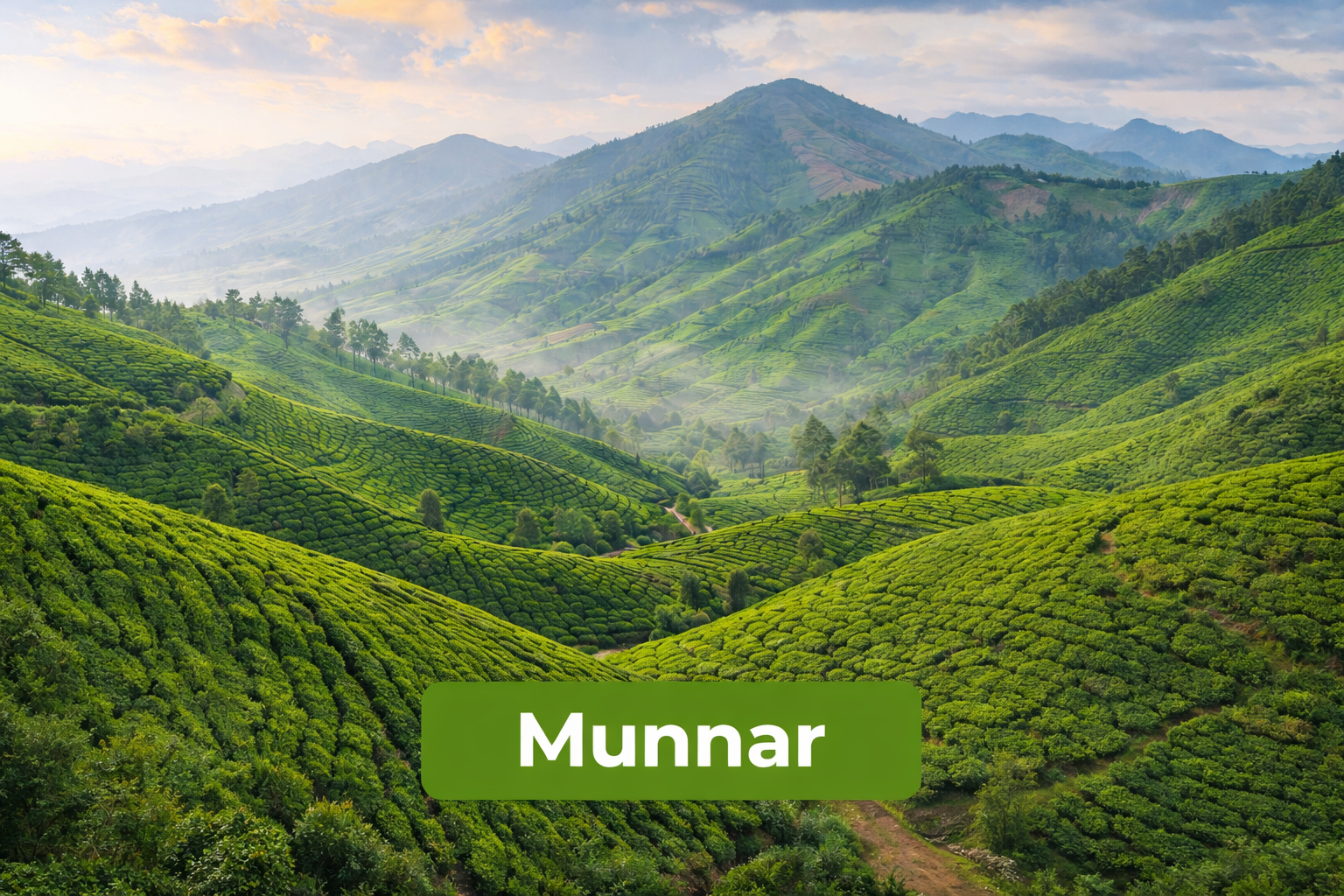
    Munnar is defined by rolling tea plantations, mist-covered hills, and river valleys. The landscape feels expansive and open, with long stretches of greenery uninterrupted by urban development. Nature plays a dominant role in shaping the overall experience.

    Ooty, located in the Nilgiri Hills, features a mix of lakes, gardens, and forested slopes. Its scenery is picturesque but more structured, with visible town planning and colonial-era influences.

    Coorg is known for dense forests, coffee plantations, and rugged terrain. Unlike Munnar’s soft slopes, Coorg’s landscape feels more enclosed and wild, with thick vegetation dominating the view.

    Comparison Insight

    Munnar offers wide, flowing landscapes; Ooty presents curated scenic beauty; Coorg delivers dense, forest-driven views.

    Climate and Seasonal Experience

    Munnar maintains a cool and comfortable climate throughout most of the year due to its elevation. Even during warmer months, temperatures remain pleasant. Monsoons transform the region into a lush green environment, while winters bring misty mornings.

    Ooty experiences cooler winters and mild summers but can feel crowded during peak seasons. The weather remains pleasant, though tourism pressure can affect the experience.

    Coorg has a warmer climate compared to Munnar and Ooty. While mornings and evenings are comfortable, afternoons can feel humid, especially outside monsoon months.

    Comparison Insight

    Munnar offers the most balanced climate, Ooty has colder winters, and Coorg leans toward a warmer hill-station feel.

    Crowd Levels and Atmosphere

    Munnar retains a relatively calm atmosphere, especially in areas away from the town center. Its spread-out geography helps distribute visitors across multiple locations.

    Ooty tends to attract heavy tourist crowds, particularly during weekends and holidays. Popular spots often feel busy, which can reduce the sense of tranquility.

    Coorg sees fewer crowds compared to Ooty but can still become busy during peak travel seasons due to limited access routes and accommodations

    Comparison Insight

    Munnar offers better crowd distribution, Ooty is the busiest, and Coorg falls somewhere in between.

    Cultural and Historical Influence

    Munnar’s cultural identity is closely tied to tea plantations and plantation communities. The region reflects a blend of migration history and local hill culture, shaped over generations.

    Ooty carries strong colonial influences, visible in architecture, gardens, and institutions established during British rule.

    Coorg has a distinct local culture rooted in its indigenous communities, traditions, and agricultural practices, especially coffee cultivation.

    Comparison Insight

    Munnar reflects plantation heritage, Ooty shows colonial character, and Coorg highlights indigenous traditions.

    Activities and Travel Pace

    Munnar encourages slow travel. Visitors often spend time walking through tea estates, enjoying viewpoints, and relaxing in natural surroundings rather than rushing through attractions.

    Ooty offers more structured tourist activities such as boating, gardens, and sightseeing circuits, making it suitable for short, planned trips.

    Coorg appeals to adventure and nature enthusiasts, with trekking, plantation walks, and forest exploration forming key activities.

    Comparison Insight:

    Munnar suits slow, mindful travel; Ooty fits itinerary-based tourism; Coorg attracts adventure-oriented travelers.

    Accessibility and Connectivity

    Munnar requires a scenic drive through winding roads, which adds to the experience but may feel lengthy for some travelers.

    Ooty has better-established rail and road connectivity, making it easier to reach for many visitors.

    Coorg is accessible mainly by road, with longer travel times from major cities.

    Comparison Insight

    Ooty is the easiest to access, Munnar offers scenic travel routes, and Coorg requires longer road journeys.

    Ideal Traveler Profile

    • Choose Munnar if you value:
      Peace, open landscapes, tea gardens, rivers, and a slower pace of life
    • Choose Ooty if you prefer:
      Structured sightseeing, colonial charm, and easy accessibility
    • Choose Coorg if you enjoy:
      Forests, coffee plantations, and adventure-oriented travel

    While Ooty and Coorg each offer memorable experiences, Munnar stands apart for its balance. It combines climate comfort, expansive scenery, calmer surroundings, and nature-driven experiences without feeling overly commercial.

    For travelers seeking relaxation, scenic beauty, and meaningful time in nature, Munnar consistently emerges as a destination that offers depth rather than distraction.
  • Munnar: A Serene Hill Station Shaped by Nature and History

    Munnar: A Serene Hill Station Shaped by Nature and History

    Located in the Western Ghats of Kerala, Munnar is a hill station known for its cool climate, rolling landscapes, and deep connection with nature. Situated at an altitude of around 1,600 meters above sea level, Munnar has long attracted travelers seeking relief from heat, congestion, and fast-paced urban life. What makes Munnar special is not just its visual beauty, but the balance it maintains between ecological richness, cultural heritage, and quiet mountain living.

    The Geography That Defines Munnar

    Munnar gets its name from the confluence of three rivers—Mudrapuzha, Nallathanni, and Kundaly—which flow through the region. These rivers shape the terrain, creating fertile valleys and gentle slopes that later became ideal for tea cultivation.

    Surrounded by mist-covered hills and dense forests, Munnar forms part of the Western Ghats, a UNESCO-recognized biodiversity hotspot. The elevation keeps temperatures moderate throughout the year, making the region pleasant even during warmer months. This geography plays a major role in Munnar’s identity as a peaceful mountain retreat.

    Tea Plantations and the Evolution of the Landscape

    The most recognizable feature of Munnar is its vast tea estates. Introduced during the British colonial period, tea cultivation transformed the region’s natural forests into carefully maintained plantations. Over time, these estates shaped both the economy and lifestyle of Munnar.

    Today, tea gardens stretch across hills like green carpets, with narrow paths winding through them. These plantations not only support local livelihoods but also create the distinctive scenery that defines Munnar in photographs and travel narratives.

    Climate and Best Time to Visit

    Munnar enjoys a cool and temperate climate throughout the year. Summers remain mild, making it a popular escape from the heat experienced in other parts of India. Monsoon months bring heavy rainfall, refreshing the landscape and deepening the greenery, though travel can be challenging due to slippery roads.

    Winter months are especially favored by travelers who enjoy crisp mornings and misty evenings. The changing seasons allow visitors to experience different sides of Munnar, from lush monsoon views to clear winter skies.

    Biodiversity and Wildlife

    Munnar’s forests are home to a wide variety of plant and animal species. The surrounding hills support grasslands, evergreen forests, and shola ecosystems, each contributing to the region’s ecological diversity.

    Wildlife such as Nilgiri tahr, deer, birds, and butterflies thrive in protected areas around Munnar. This biodiversity makes the region significant not only for tourism but also for conservation efforts in the Western Ghats.

    Cultural Influences and Local Communities

    Munnar’s population is a blend of communities shaped by migration, plantation work, and traditional hill culture. Many families trace their roots to workers who arrived generations ago to support tea estates. Over time, these communities developed a unique way of life closely tied to the land.

    Local markets, small eateries, and village life reflect simplicity and resilience. The cultural fabric of Munnar is subtle but deeply connected to nature, agriculture, and seasonal rhythms.

    Attractions Rooted in Nature and History

    Rather than being a city of monuments, Munnar’s attractions are largely natural. Rolling hills, waterfalls, forest trails, and open viewpoints offer quiet moments rather than dramatic spectacles. Many visitors find joy in walking through tea gardens, observing daily plantation life, or simply sitting in silence surrounded by mist.

    Historical elements, such as old estate bungalows and colonial-era structures, add character to the region without overpowering its natural charm.

    Responsible Tourism and Environmental Awareness

    As tourism grows, Munnar faces challenges related to waste management, land use, and ecological balance. In response, awareness around responsible tourism has increased. Visitors are encouraged to respect natural spaces, avoid plastic usage, and support local businesses.

    Sustainable travel practices help ensure that Munnar remains preserved for future generations while continuing to support its local economy.

    Why Munnar Continues to Attract Travelers

    Munnar does not rely on flashy attractions or urban entertainment. Its appeal lies in its ability to slow people down. The quiet roads, fresh air, and natural surroundings allow visitors to reset mentally and physically.

    For many, a visit to Munnar becomes less about sightseeing and more about experiencing calm, solitude, and connection with the environment. This timeless quality is what keeps Munnar relevant as a travel destination, even as trends change.

    Munnar is more than a hill station—it is a living landscape shaped by rivers, mountains, tea plantations, and generations of people. Its beauty lies in balance rather than excess, making it a destination that rewards patience and mindful exploration.

    For those seeking nature, climate comfort, and a slower pace of life, Munnar remains one of Kerala’s most enduring and meaningful destinations.